Culture & Literature
Exploring the intersection of art, language, and society, this section examines how literature and culture reflect — and often redefine — our collective identity.
From classical European texts to modern criticism, The Aurora Review celebrates the written word as both mirror and map of civilization.
-
In moments of crisis, Europe’s cultural institutions do more than preserve art — they preserve meaning. As political systems strain under pressure, museums, universities, and literary traditions become spaces where memory, identity, and moral responsibility are negotiated. Their role grows not in stability, but when certainty begins to fracture.
-
Europe is often defined by its laws, treaties, and institutions. But when crises hit, those legal frameworks rarely inspire unity or belonging. What endures instead is language — the dialects, literatures, and voices that carry memory across borders. Europe’s deepest identity was never written into law. It was spoken, argued over, and passed down long…
-
Europe is often explained through treaties, summits, and policy language—but those tools rarely capture how Europe actually feels. While political theory tries to impose order, novels reveal the continent’s contradictions, moral anxieties, and lived realities. From Dostoevsky to Kundera, European fiction exposes the inner tensions that institutions can manage but never fully explain.
-
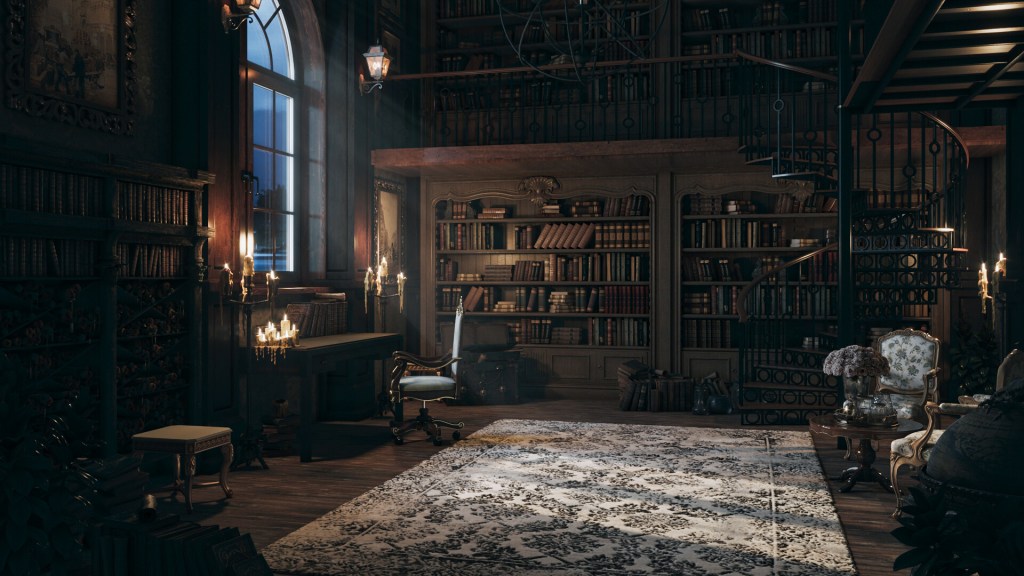
The literary review that is quietly moving across Europe: why readers and students are moving back to the long, complex conversations only a book can hold, in the digital age.
 The Aurora Review